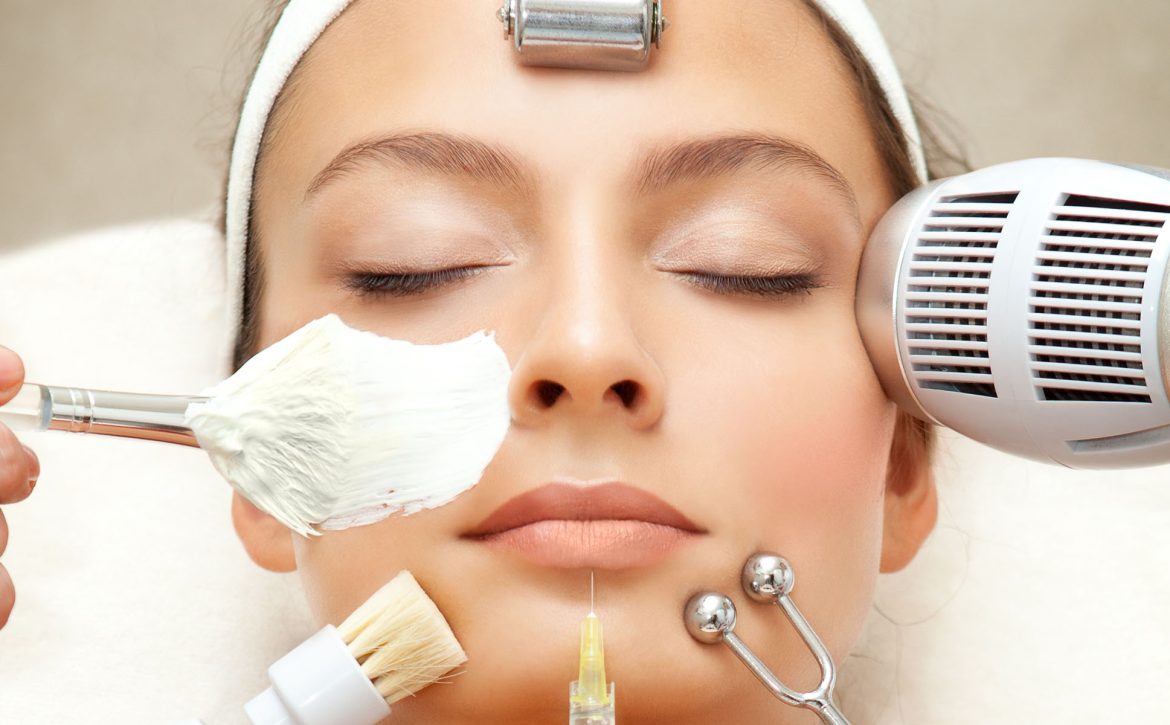
Spa Series: Young Beautiful Woman Having Various Facial Treatment.
November 20, 2026 by Technote 0 Comments

Hydrafacial, Carbon Facial, HIFU, and More: A Complete Guide to Aesthetic Treatments at Vishwaneel

A complete guide to modern aesthetic treatments available at Vishwaneel, Sanpada including Hydrafacial, Carbon Laser Peel, HIFU, MNRF for acne scars, and Chemical Peels.

November 19, 2026 by Technote 0 Comments

Uttarbasti Treatment in Navi Mumbai: Ayurvedic Approach to Infertility and Reproductive Health

Looking for Uttarbasti treatment in Navi Mumbai? Vishwaneel, Sanpada offers clinically supervised Uttarbasti for infertility, PCOD, fallopian tube blockage and uterine health. Book a consultation today.

November 16, 2026 by Technote 0 Comments

Managing Joint Pain Naturally in Winter with Ayurveda

Winter often brings a noticeable increase in joint pain, stiffness, and reduced mobility. For many people, cold weather does not just worsen existing joint problems but also reveals underlying imbalances that may have remained silent during warmer months. Ayurveda recognises winter as a critical season for joint health and offers structured, natural solutions to manage pain effectively.

Unlike temporary pain relief methods, Ayurvedic treatment for joint pain focuses on correcting the root cause rather than masking symptoms.

Why Joint Pain Increases During Winter

From an Ayurvedic perspective, winter is dominated by Vata dosha, which governs movement, dryness, and nervous system function. Cold, dry weather aggravates Vata, leading to:

  • Dryness in joints
  • Reduced lubrication
  • Increased stiffness and cracking
  • Pain that worsens in the morning or at night

When digestion is weak and toxins (Ama) accumulate, they settle in vulnerable areas such as joints, further aggravating pain and inflammation. This is why joint pain often feels deeper and more persistent in winter.

Understanding Joint Pain Through Ayurveda

Ayurveda does not view joint pain as a single condition. It may arise due to:

  • Vata imbalance causing degeneration and dryness
  • Kapha accumulation leading to heaviness and stiffness
  • Ama blocking joint channels and circulation

Effective Ayurveda for joint pain relief begins with identifying the dominant imbalance and planning treatment accordingly.

Role of Panchakarma in Joint Pain Management

Winter is an ideal season for Panchakarma therapies because the body has the strength to respond and heal.

Panchakarma for joint pain helps:

  • Remove accumulated toxins from joints
  • Improve circulation and nourishment
  • Restore joint flexibility
  • Reduce inflammation naturally

Treatments such as Basti, Kati Basti, Janu Basti, and Pindasweda are commonly used depending on the joint involved and severity of symptoms.

Ayurvedic Oil Massage for Joint Pain

One of the most effective winter therapies is Ayurvedic oil massage for joint pain. Warm medicated oils penetrate deep into tissues, counteracting dryness and stiffness.

Benefits include:

  • Improved joint lubrication
  • Reduced pain and rigidity
  • Better blood circulation
  • Strengthening of muscles and connective tissue

Regular oil massage followed by mild steam therapy allows better absorption and faster relief.

Ayurvedic Remedies for Joint Pain

In addition to therapies, internal herbal medicines play an important role. Ayurvedic remedies are selected based on individual constitution and may include herbs that:

  • Reduce inflammation
  • Support cartilage health
  • Improve digestion and metabolism
  • Strengthen bones and joints

These remedies work gradually but provide long lasting relief without side effects when taken under medical supervision.

Importance of Diet and Lifestyle in Winter

Ayurveda strongly emphasises seasonal routines. During winter, joint health improves when:

  • Meals are warm, nourishing, and freshly cooked
  • Cold, dry, and processed foods are avoided
  • Adequate rest and early sleep are maintained
  • Gentle movement and stretching are practised daily

Ignoring seasonal care often leads to chronic joint issues over time.

Why Choose an Ayurveda Clinic for Joint Pain in Navi Mumbai

Joint pain management requires proper diagnosis and personalised care. At an experienced Ayurveda clinic for joint pain in Navi Mumbai, treatment is planned after assessing:

  • Type of joint pain
  • Duration and severity
  • Digestive strength
  • Lifestyle and seasonal factors

Consulting the best Ayurvedic doctor for joint pain in Navi Mumbai ensures safe therapies, correct medicine selection, and sustainable recovery.

Conclusion

Winter joint pain is not just a seasonal inconvenience. It is a sign that the body needs nourishment, cleansing, and balance.

Through Ayurvedic treatment for joint pain, it is possible to reduce discomfort, restore mobility, and prevent long term degeneration naturally. When therapies, medicines, diet, and lifestyle are aligned with the season, joint health improves steadily and sustainably.

Managing joint pain in winter is not about quick relief. It is about strengthening the body from within so that pain does not return.

November 12, 2026 by Technote 0 Comments

Winter Detox with Ayurveda: Why January Is the Best Time for Body Cleansing

Winter is not just a season of cold weather. From an Ayurvedic perspective, it is a powerful metabolic phase where the body naturally gains strength and digestive capacity. Among all winter months, January holds a unique physiological advantage for detoxification and deep cleansing, making it the most effective time for an Ayurvedic detox treatment.

Unlike modern detox trends that promote aggressive fasting or juice cleanses, Ayurveda follows a seasonal, bio intelligent approach that works with the body rather than against it.

Why January Matters in Ayurveda?

Ayurveda divides winter into two phases:
 Hemanta (early winter) and Shishira (late winter). January marks the transition between these two phases.

During this time:

  • Digestive fire or Agni is naturally strong
  • The body retains internal heat
  • Metabolism is at its peak
  • Toxins accumulated during the previous months begin to surface

This combination makes January the ideal window for Ayurvedic body cleansing, as the body can efficiently eliminate toxins without weakening itself.

If this natural cleansing opportunity is missed, accumulated toxins often manifest later as allergies, sinus issues, skin problems, digestive disorders, joint stiffness, and fatigue during spring.

The Role of Agni in Winter Detox

In Ayurveda, detoxification is not about starvation. It is about strengthening Agni so that the body can digest, metabolise, and eliminate waste properly.

During winter:

  • External cold traps heat inside the body
  • Digestive fire becomes stronger
  • The body can tolerate cleansing therapies better

This is why detox treatment in Ayurveda is traditionally recommended in winter, especially under medical supervision.

Why Panchakarma Detox Therapy Is Ideal in January

Panchakarma detox therapy is the most structured and clinically effective Ayurvedic detox protocol. It is not a single treatment but a sequence of therapies designed to cleanse the body deeply and safely.

A winter Panchakarma detox helps:

  • Remove deep seated toxins (Ama)
  • Improve digestion and metabolism
  • Restore hormonal balance
  • Reduce joint stiffness and muscle pain
  • Strengthen immunity
  • Improve mental clarity and energy levels

January allows Panchakarma therapies to work optimally because the body has the strength to respond and recover without exhaustion.

Winter Detox Is Not a Harsh Detox

One of the biggest misconceptions is that detox means extreme restriction.

In Ayurveda, winter detox includes:

  • Warm, nourishing meals
  • Medicated ghee for internal lubrication
  • Oil therapies to balance dryness
  • Gentle cleansing instead of harsh purging

This approach protects the nervous system, prevents weakness, and supports long term health rather than short term weight loss.

The Importance of Circadian Rhythm in Winter Detox

Modern science now supports what Ayurveda has always known.

During winter:

  • Nights are longer
  • Melatonin secretion increases
  • Cellular repair and detox pathways are more active

By aligning detox routines with early sleep, reduced screen exposure, and structured daily habits, winter detox becomes more effective.

Ayurvedic detox protocols naturally support this circadian alignment, enhancing both physical and mental cleansing.

Who Should Consider an Ayurvedic Detox in January

A winter detox is especially beneficial if you experience:

  • Persistent fatigue or low energy
  • Digestive discomfort or bloating
  • Frequent infections
  • Joint pain or stiffness
  • Skin dullness or breakouts
  • Hormonal imbalance
  • Mental heaviness or stress

Under the guidance of the best Ayurveda doctor for detox in Navi Mumbai, detox plans are personalised based on body constitution, health history, and seasonal needs.

Why Medical Supervision Matters

Detoxification is a clinical process. When done incorrectly, it can aggravate imbalances instead of healing them.

At a best Ayurvedic clinic for detox, Panchakarma is planned only after proper assessment, ensuring:

  • Safety
  • Correct therapy selection
  • Proper preparation and recovery
  • Long term results

Conclusion

January is not just the start of a new calendar year.
 It is a biologically powerful phase for resetting the body.

A well planned Ayurvedic detox treatment during this month does not deplete you. It restores balance, strengthens immunity, and prepares the body for the year ahead.

When done correctly through Panchakarma detox therapy, winter detox becomes a foundation for sustained health rather than a temporary cleanse

November 5, 2026 by Technote 0 Comments

How to Protect Immunity During Seasonal Weather Changes?

Have you noticed that as soon as the weather shifts, whether it is the onset of the rains or the first chill of winter, your body is the first to react? Perhaps it is a persistent cough, a sudden flare-up of wet dandruff, or feeling unusually fatigued despite sleeping well.

At Vishwaneel Ayurveda, Dr Sonalli Kavthekar observes a surge in patients during these transitional periods. The reason is simple: seasonal changes disturb the natural balance of the body. If your immunity is not prepared, your health feels the impact.

  • Why Weather Change Affects Your Immunity

According to Dr Sonalli, seasonal transitions influence our internal digestive fire, or Pachanashakti. When the external environment changes rapidly, it puts stress on our metabolic processes.

The Immunity Chain Reaction:

Weather change leads to digestion disturbance, which causes an accumulation of Ama (toxins). This results in an immunity drop and leads to frequent infections.

Shutterstock

If your digestion becomes weak, the nutrients from your food are not absorbed properly. This leads to a domino effect of fatigue, skin irritation, and weakened resistance to seasonal viruses.

  • The Foundation: Digestion is the Root of Immunity

A recurring theme in Dr Sonalli’s clinical practice is that digestion is the foundation of all health.

The Nutrient Absorption Trap

Many people try to boost their immunity during seasonal changes by taking multivitamins. However, as Dr Sonalli points out, if your Pachanashakti is weak, these supplements will not be absorbed properly by the body.

Warning Signs

Reduced appetite, bloating, or irregular motions during weather shifts are early signals that your immunity is at risk.

  • Hair and Skin: The Internal Health Mirror

Dr Sonalli explains that problems like hair fall and skin dullness are not just cosmetic issues; they are signals of internal imbalance.

Seasonal Hair Triggers

Weather transitions often increase dry or wet dandruff and microbial imbalances on the scalp. Dr Sonalli uses advanced scalp analysis technology, featuring up to 200x magnification, to show patients the real condition of their hair roots. This helps evaluate whether the hair fall is due to seasonal infections, pollution, or internal hormonal shifts.

Age-Specific Skin Changes

  • In your 20s: You might see increased oily skin and hormonal breakouts.
  • In your 30s and 40s: Weather shifts can worsen pigmentation, sensitivity, and early signs of ageing as the skin’s water content fluctuates.


  • Panchakarma: The Clinical Reset for Urban Lifestyles

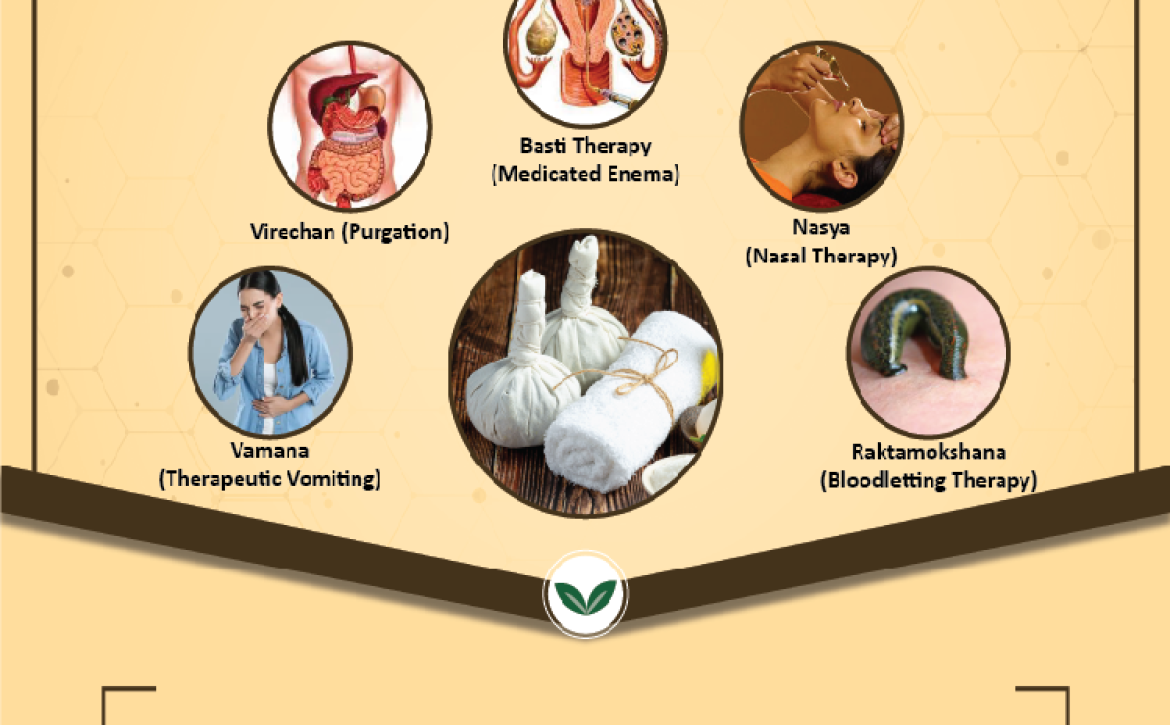
For the modern professional dealing with a sedentary routine, irregular eating, and high stress, Dr Sonalli recommends Panchakarma not as a luxury but as a preventative necessity. Panchakarma is a detoxification process that removes the toxins accumulated from junk food and irregular sleep.

Seasonal Detox

Treatments such as Vaman, Virechan, and Basti help restore body balance and improve immunity before the new season takes hold.

Preventative Care

You do not need to be ill to undergo Panchakarma. It is a tool to ensure you do not fall ill in the first place.

  • Sustainable Habits for Seasonal Wellness

To stay resilient, Dr Sonalli advises focusing on these clinical pillars:

  • Prioritise Warmth: Eat fresh, warm, and easily digestible food to support your Pachanashakti.
  • Ojas-Building: Incorporate pure ghee into your diet. In Ayurveda, ghee is a supreme builder of Ojas (vital essence), which sustains your life force and immunity.
  • Targeted Movement: Engage in 30 to 40 minutes of daily activity. This helps flush out toxins and keeps the metabolism active during sluggish weather transitions.
  • Listen to Early Signs: Do not ignore sudden fatigue, skin dullness, or dandruff. These are the hidden goldmines of information your body is sending you.


  • Frequently Asked Questions (FAQ)

Why do people fall sick during seasonal changes?

Seasonal transitions affect the body’s metabolism and digestive strength. When digestion becomes weak, toxins can accumulate in the body, reducing immunity and making individuals more vulnerable to infections such as colds, coughs, skin irritation, and fatigue.

How can I naturally improve my immunity during weather changes?

Immunity can be strengthened by focusing on digestion, eating freshly prepared warm food, maintaining regular physical activity, managing stress, and following proper sleep routines. Ayurvedic practices such as Panchakarma may also help support detoxification and improve overall immunity.

Why do hair fall and dandruff increase during seasonal transitions?

Weather changes can affect scalp health by altering moisture levels and increasing microbial activity. These changes may lead to dandruff, scalp irritation, and increased hair fall. Often, these symptoms are also linked to internal factors such as digestion, hormonal balance, and lifestyle habits.

What is Panchakarma and how does it help during seasonal change?

Panchakarma is an Ayurvedic detoxification process designed to remove accumulated toxins from the body. Treatments such as Vaman, Virechan, and Basti help restore metabolic balance, support digestion, and improve immunity, making the body better prepared to adapt to seasonal changes.

When should I consult a doctor for seasonal health issues?

If you experience persistent symptoms such as frequent infections, unexplained fatigue, hair fall, dandruff, or skin irritation during weather changes, it is advisable to seek professional medical guidance to identify the root cause and receive appropriate treatment.

Conclusion: Women’s Health Needs Awareness

As Dr Sonalli Kavthekar often says, “Problems like hair fall, skin issues, and hormonal imbalance are not separate diseases. They are signals that the body’s digestion and internal balance need attention.”

This seasonal transition, do not wait for the flu or a breakout to take action. Focus on your internal reset. Taking care of your health is the foundation of a strong, balanced life.

Is your body struggling with the change in weather?

Discover the root cause of your symptoms with a professional consultation. At Vishwaneel Ayurveda, we combine traditional wisdom with modern diagnostic technology, such as 200x scalp magnification, to give you a clear path to health.

Contact Dr Sonalli Kavthekar today to begin your seasonal detox journey.