
Category: Health

December 18, 2025 by Technote 0 Comments

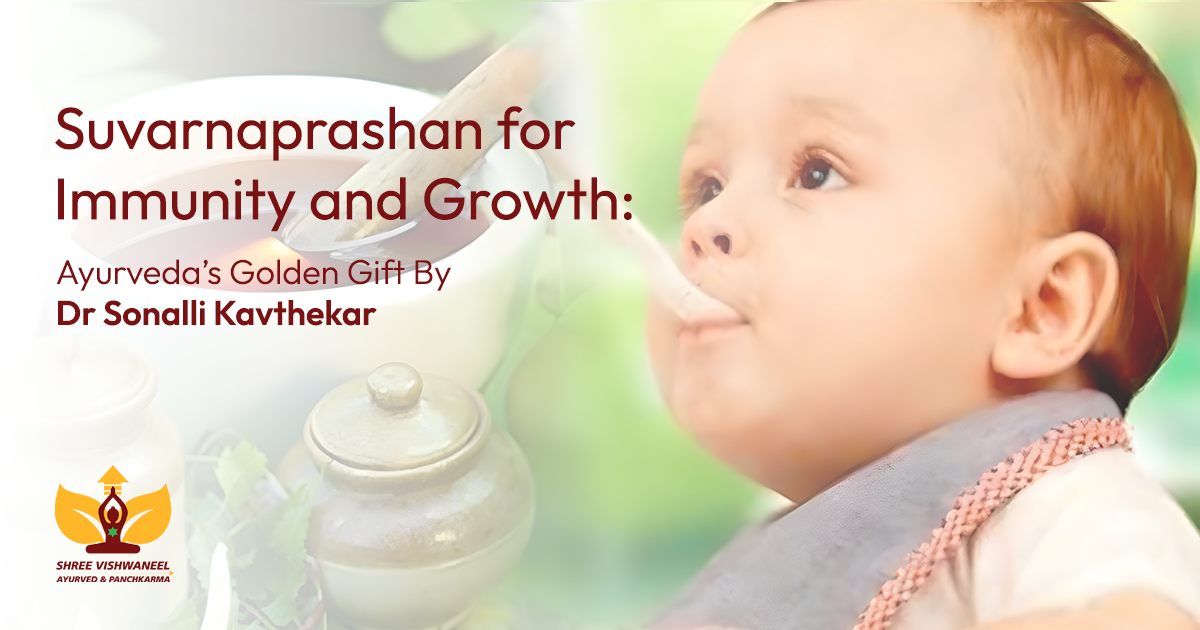
Suvarnaprashan for Immunity and Growth: Ayurveda’s Golden Gift By Dr Sonalli Kavthekar

Introduction

In Ayurveda, the foundation of lifelong health begins in childhood. One of the most powerful and time-tested Ayurvedic formulations for immunity, growth, and brain development is Suvarnaprashan. This ancient blend supports physical strength, sharpens intellect, enhances memory, improves speech, and boosts immunity from an early age.

At Shree Vishwaneel Ayurveda Panchakarma and Aesthetic Clinic, Dr Sonalli Kavthekar prepares Suvarnaprashan using an authentic, traditional method that ensures purity, potency, and complete safety. Families from across Maharashtra, various Indian states, and international locations such as the USA, the UK, and Australia trust the clinic for this classical Ayurvedic practice that nurtures children’s development naturally.

What is Suvarnaprashan?

Suvarnaprashan is a classical Ayurvedic formulation made using purified Swarna Bhasma (gold ash) combined with a medicated ghee prepared from intelligence-enhancing, immunity-boosting herbs. Its purpose is to support:

  • Strong immunity
  • Enhanced memory and cognitive development
  • Improved concentration and focus
  • Better digestion and metabolism
  • Healthy physical growth
  • Emotional balance and calmness
  • Speech clarity and learning ability
  • Support for delayed milestones

It is one of Ayurveda’s most effective formulations for promoting a child’s overall development.

How Suvarnaprashan is Prepared at Shree Vishwaneel Ayurveda Panchakarma and Aesthetic Clinic

Under the expertise of Dr Sonalli Kavthekar, Suvarnaprashan is prepared in a detailed multi-step process that follows classical Ayurvedic guidelines.

Step 1: Preparation of Medicated Ghee

A base ghee is prepared using the following Ayurvedic herbs:

  • Brahmi
  • Shankhpushpi
  • Ashwagandha
  • Jatamavasi
  • Amrita (Giloy)
  • Jestha Madhu or Yashti Madhu
  • Vekhand
  • Turmeric (Rajni)

These herbs support brain development, improve retention and alertness, enhance digestion, build immunity, and promote balanced growth.

Step 2: Addition of Purified Bhasma

Once the herbal ghee is ready, purified Ayurvedic bhasmas and minerals are added:

  • Swarna Bhasma (Gold Ash / Gold Dust)
  • Rajat Bhasma (Silver Ash)
  • Sahasrputi Mica
  • Rasa Sindhur
  • Mandur
  • Shankh Bhasma
  • Trivanga Bhasma
  • Praval Pishti

These ingredients are added in their purified and safe form, making the formulation highly potent while ensuring there are no side effects. In Ayurveda, such metals are processed through classical purification methods (Shodhana and Marana), which make them gentle, beneficial, and completely child-friendly.

Step 3: Final Blending

A small amount of pure honey is added at the end to help the formulation absorb better in the body.

This multi-step preparation ensures that Suvarnaprashan at Shree Vishwaneel Ayurveda Panchakarma and Aesthetic Clinic is potent, safe, and effective.

Benefits of Suvarnaprashan

Regular Suvarnaprashan offers a wide range of holistic benefits:

• Boosts immunity

Helps reduce recurrent cough, cold, fever, and infections.

• Sharpens intellect and memory

Improves retention, focus, problem-solving, and learning ability.

• Enhances brain development

Supports nervous system nourishment, mental alertness, and cognitive growth.

• Improves speech clarity

Beneficial for children who speak late, have unclear speech, or slower verbal development.

• Supports delayed milestones

Helps children who show delay in:

  • Crawling
  • Walking
  • Talking
  • Responding
  • Following instructions

Parents often notice improvements in responsiveness, alertness, speech, and confidence.

• Strengthens digestion and metabolism

Improves appetite, gut health, and nutrient absorption.

• Promotes emotional stability

Reduces irritability, improves sleep, and encourages positive behaviour.

When and How Suvarnaprashan is Given

Suvarnaprashan can be administered in two ways:

  1. Once a month on Pushya Nakshatra
    A highly auspicious day occurring once every twenty-seven days.
  2. As a Daily Dose
    Given according to the child’s needs and as advised by Dr Sonalli Kavthekar.

Daily Dose Bottle Price

At Shree Vishwaneel Ayurveda Panchakarma and Aesthetic Clinic:
₹190 to ₹500

(Price varies based on quantity and formulation.)

Parents may choose to receive the medicine:

  • At the clinic
  • At home with instructions
  • Via courier anywhere in India

Why Pushya Nakshatra is Important

Pushya Nakshatra carries strong nourishing, strengthening, and intellectual energy. Governed by Jupiter (Guru), it is linked to wisdom, intelligence, and learning.

Administering Suvarnaprashan on this day helps:

  • Enhance memory and concentration
  • Improve intellectual capacity
  • Strengthen immunity
  • Increase the absorption and effectiveness of the medicine

At Shree Vishwaneel Ayurveda Panchakarma and Aesthetic Clinic, Suvarnaprashan is traditionally administered on every Pushya Nakshatra for maximum benefit.

Who Should Avoid Suvarnaprashan

It should be avoided or postponed when a child:

  • Has high fever
  • Suffers from acute liver or kidney conditions
  • Is severely unwell or recovering from major illness

In all cases, consultation with Dr Sonalli Kavthekar is essential before administration.

Accessibility and Availability

Parents can choose from three options:

  1. Clinic Visit during Pushya Nakshatra
  2. Home Use (medicine provided with instructions)
  3. Courier Delivery anywhere in India

This ensures families across Navi Mumbai, other states, and even abroad can access authentic Suvarnaprashan.

Why Choose Shree Vishwaneel Ayurveda Panchakarma and Aesthetic Clinic

  • Prepared under the expert guidance of Dr Sonalli Kavthekar
  • Authentic traditional method
  • Pure Swarna Bhasma used
  • Safe for children from one day old to sixteen years
  • Personalised dosage based on the child’s needs
  • Trusted by families across India and internationally

Conclusion

Suvarnaprashan is a powerful Ayurvedic gift that strengthens your child’s immunity, sharpens intellect, supports growth, and nurtures overall wellbeing.
At Shree Vishwaneel Ayurveda Panchakarma and Aesthetic Clinic, Dr Sonalli Kavthekar ensures every drop is prepared with purity, care, and authentic Ayurvedic wisdom.

Whether administered at the clinic, given at home, or received by courier, Suvarnaprashan brings the timeless healing of Ayurveda to every child, helping them grow healthier, stronger, and brighter—naturally.

December 8, 2025 by Technote 0 Comments

Panchakarma at Shri Vishwaneel Ayurveda, Panchakarma, and Aesthetic Clinic: A Personalised Approach to Holistic Healing

At Shri Vishwaneel Ayurveda, Panchakarma, and Aesthetic Clinic in Sanpada, Navi Mumbai, under the expert guidance of Dr Sonalli Kavthekar, Panchakarma is practised as a scientific, individualised, and result-oriented therapy. Patients visit not only from Juinagar, Sanpada, Vashi, Belapur, and CBD Belapur, but also from across India and abroad. Over the years, international patients from Japan, Australia, California, Canada, Saudi Arabia, and Dubai have chosen to undergo Panchakarma at Shri Vishwaneel during their vacations or while visiting relatives in Mumbai.

People seek Panchakarma for a wide range of health issues, including Thyroid disorders, Diabetes, High Cholesterol, Migraine, Joint Pain, Digestive Problems, Skin Disorders, Kidney and Liver issues, PCOD, Ovarian Cysts, and other female reproductive problems. It is also beneficial for paediatric conditions and overall preventive health.

Dr Sonalli explains, “Panchakarma must be planned with care. It is not only about cleansing; it is about understanding what your body is ready for.”

Case Story: Panchakarma for a Working Professional

Mr. Patel, a 32 year old IT professional from Navi Mumbai, approached Shri Vishwaneel with complaints of recurring headaches, red rashes, acidity, and poor appetite. After Nadi Parikshana (pulse diagnosis), Dr Sonalli identified a high Pitta Dosha as the root cause.

His main concern was practical: “How many days will Panchakarma take? Will I have to take leave from work?”

To accommodate his schedule, a flexible plan was designed around his office timings. The therapy began with internal Ayurvedic medicines for ten to fifteen days to prepare his body for cleansing (Poorva Karma). His Pitta imbalance was reduced after Vamana, and his rashes subsided following Virechana.

Throughout the sessions, Shirodhara was used to relieve stress and migraine, while Abhyanga (oil massage) and Potli massage helped ease back pain caused by long hours of sitting and travel.

Additional Case Highlights from Shri Vishwaneel

To demonstrate the wide range of conditions treated successfully through Panchakarma, here are brief case summaries:

1. PCOD and Infertility

A young woman with irregular cycles, PCOD, and poor egg development underwent Vamana, Virechana, Basti, and Shirodhara. Her cycles were regulated, egg growth improved, and she conceived naturally.

2. Male Infertility

A male patient with very low sperm count, poor sperm motility, and recurrent infection received Panchakarma after pulse diagnosis. Within three months, sperm count and motility improved, resulting in natural conception.

3. Repeated Miscarriages

A woman with high Pitta, severe acidity, and three previous miscarriages underwent Vamana, Virechana, Basti, and Uttar Basti. She conceived naturally, sustained the pregnancy, and delivered a healthy baby. Years later, her second conception was also natural.

4. Chronic Migraine

A patient experiencing migraine episodes two to three times a week for four to five years achieved complete relief after Vamana and Virechana. The attacks have not returned for several years.

5. Severe Knee Joint Pain

A patient with advanced osteoarthritis and difficulty walking improved significantly after Janu Basti, Potli massage, steam, enema, and leech therapy. Walking and mobility were restored within a few sessions.

6. Weight Management

A patient with significant weight gain and lethargy experienced notable weight loss and improved energy after undergoing Panchakarma.

7. Rheumatoid Arthritis (Aamvata)

A patient with severe joint pain, swelling, morning stiffness, and whole body inflammation received Vamana, Virechana, and Basti. She experienced remarkable improvement and regained normal functioning.

The Five Stages of Panchakarma

According to Dr Sonalli, Panchakarma is a deep internal purification process that restores the balance of the three doshas: Vata, Pitta, and Kapha.

Vamana (Therapeutic Emesis)

Helps to remove excess Kapha and is effective for:
• Respiratory conditions
• Obesity and cholesterol imbalance
• Skin conditions
• Indigestion and lethargy

Virechana (Purgation Therapy)

Balances Pitta and is useful for:
• Skin and hair problems
• Allergies and migraines
• Liver and kidney disorders
• Thyroid, diabetes, high cholesterol

Basti (Medicated Enema Therapy)

Cleanses Vata and is beneficial for:
• Joint pain and arthritis
• Spine conditions
• Osteoporosis and chronic fatigue
• Infertility and hormonal imbalance

Nasya (Nasal Detox Therapy)

Improves sinus health, migraine, stress, and sleep.

Raktamokshana (Blood Purification Therapy)

Supports treatment for chronic skin disorders and toxin accumulation.

Additional therapies in Panchakarma

Shri Vishwaneel offers additional therapies including Kati Basti, Manya Basti, Uttara Basti, Jalauka (Leech Therapy), Netra Tarpan, and Potli Massage. These enhance Panchakarma outcomes and are selected based on individual needs.

Separate blogs will explore each therapy in detail.

Duration and Scheduling

Dr Sonalli explains, “A complete Panchakarma program generally lasts from seven days to three months depending on the patient’s health, strength, and lifestyle. When Panchakarma extends for three months, it is done at intervals as per the patient’s convenience.”

No two Panchakarma plans are the same.

Packages and Pricing

Panchakarma packages at Shri Vishwaneel range from ₹4,000 to ₹1,00,000, depending on therapy duration, oils, and treatments required.

One day Shuddhi packages are available, including Full Body Massage, Steam, Enema, and Shirodhara, priced between ₹1,500 and ₹3,000.

Patients may also choose weekly, fortnightly, or monthly sessions for maintenance.

Who Should Avoid Panchakarma

People who are extremely weak, underweight, or recovering from major illness should avoid detox therapies.

Pregnant women should avoid Vamana and Virechana, but Basti can safely be performed in the eighth or ninth month to support smoother delivery.

Results and Recovery

Mr Patel experienced improvement within the first week. His headaches eased after Virechana, appetite improved, sleep deepened with Shirodhara, and rashes disappeared by week three.

Dr Sonalli summarises, “Panchakarma is not only about removing toxins; it is about aligning your body’s rhythm with your lifestyle and bringing harmony to all three doshas.”

Conclusion

Panchakarma is a profound dialogue between the body and its inner intelligence. When performed under expert guidance, it rejuvenates the body, strengthens immunity, and restores balance.

At Shri Vishwaneel Ayurveda, Panchakarma, and Aesthetic Clinic, every therapy begins after detailed pulse diagnosis, ensuring a personalised, scientific, and authentic Ayurvedic experience.

June 26, 2025 by Technote 0 Comments

Migraine In Ayurveda Causes, Symptoms & Holistic Healing Therapies

Migraine, known as Ardhavabhedaka in Ayurveda, is a neurological condition that causes recurrent headaches, typically affecting one side of the head. It is associated with an imbalance in Vata and Pitta Dosha, leading to severe pain, nausea, vomiting, and sensitivity to light and sound. Ayurveda emphasizes treating migraine holistically through herbal medicines, detoxification therapies, dietary modifications, and lifestyle changes.

Causes of Migraine (Nidana)

According to Ayurveda, migraines are primarily caused by Vata-Pitta vitiation, leading to disturbances in the nervous system and blood circulation. The common causes include:

1. Dietary Factors

• Excessive consumption of spicy, fried, and fermented foods
• Eating dry, stale, or processed foods
• Overconsumption of caffeine, alcohol, and carbonated drinks
• Skipping meals or irregular eating habits

2. Lifestyle Factors

• Stress, anxiety, and emotional disturbances
• Irregular sleep patterns (sleep deprivation or oversleeping)
• Excessive exposure to sunlight and loud noises
• Overuse of mobile phones, laptops, and televisions, leading to eye strain
• Sedentary lifestyle or excessive physical exertion

3. Environmental & Seasonal Factors

• Extreme heat or cold temperatures
• High pollution levels
• Hormonal changes, especially in women during menstruation, pregnancy, or menopause

Symptoms of Migraine (Lakshana)

Migraines manifest with various symptoms, including:

• Intense throbbing or pulsating headache, usually on one side
• Nausea and vomiting
• Dizziness and weakness
• Sensitivity to light (photophobia) and sound (phonophobia)
• Blurred vision or visual disturbances (Aura symptoms)
• Irritability and mood swings
• Neck stiffness and shoulder pain

Ayurvedic Treatment for Migraine

1. Herbal Remedies (Aushadhi Chikitsa)

Ayurveda recommends various herbs and formulations to balance the doshas and alleviate migraine symptoms:

• Brahmi (Bacopa Monnieri): Enhances brain function, reduces stress, and calms the nervous system.
• Shankhpushpi (Convolvulus Pluricaulis): A natural brain tonic that relieves anxiety and headaches.
• Ashwagandha (Withania Somnifera): Reduces stress and improves sleep quality.
• Guduchi (Tinospora Cordifolia): Detoxifies the body and strengthens immunity.
• Jatamansi (Nardostachys Jatamansi): A potent herb that promotes mental relaxation and relieves migraines.
• Triphala: Helps detoxify the digestive system, reducing toxin accumulation.
• Sutsekhar Ras: A classical Ayurvedic formulation used for migraine relief.

2. Panchakarma Therapy (Detoxification Treatments)

Ayurveda emphasizes Panchakarma therapies to remove toxins and balance doshas:

• Nasya (Nasal Therapy): Medicated oils such as Anu Tailam or Shadbindu Tailam are instilled in the nostrils to clear toxins from the head region.
• Shirodhara: A relaxing therapy where warm herbal oil is poured on the forehead to calm the nervous system.
• Virechana (Purgation Therapy): Helps eliminate excess Pitta Dosha, reducing inflammation and heat in the body.
• Abhyanga (Ayurvedic Massage): A full-body massage with medicated oils like Mahanarayan Tailam or Dhanwantharam Tailam to reduce stress and improve blood circulation.

3. Dietary Guidelines (Ahara Chikitsa)

A Pitta-Vata pacifying diet is crucial for migraine management:

✅ Foods to Include:

• Cooling foods like coconut water, fresh fruits (pomegranates, apples, grapes), and leafy greens
• Dairy products like ghee and milk for their calming properties
• Hydrating fluids such as buttermilk, herbal teas, and lemon water
• Soothing spices like fennel, cumin, coriander, and cardamom
• Whole grains like rice, wheat, and barley

❌ Foods to Avoid:

• Spicy, oily, and fried foods
• Fermented and processed foods (pickles, vinegar, and junk food)
• Caffeinated drinks (coffee, energy drinks, soft drinks)
• Excessive intake of garlic, onions, and red chilies
4. Lifestyle Modifications (Vihara Chikitsa)

Ayurveda emphasizes Dinacharya (daily routine) and Ritucharya (seasonal regimen) to prevent migraines:

✅ Recommended Practices:

• Maintain a consistent sleep schedule (7-8 hours of quality sleep).
• Engage in Pranayama (breathing exercises) like Anulom Vilom, Bhramari, and Sheetali to calm the nervous system.
• Practice Yoga Asanas such as Shavasana, Balasana, Viparita Karani, and Padmasana for stress relief.
• Apply cooling oils like Bhringraj Oil or Chandanadi Oil on the forehead to soothe headaches.
• Use aromatherapy with essential oils like lavender, peppermint, or eucalyptus for migraine relief.
• Avoid excessive exposure to bright screens, loud noises, and strong odors.

❌ Things to Avoid:

• Skipping meals or irregular eating habits
• Sleeping during the daytime or staying awake late at night
• Overuse of electronic gadgets before bedtime
• Mental stress, anger, and emotional fluctuations

Ayurvedic Home Remedies for Migraine Relief

Here are some simple yet effective home remedies to manage migraine pain naturally:

1️⃣ Ginger Tea: Boil a few slices of fresh ginger in water and drink it warm. Ginger helps reduce inflammation and relieves nausea.
2️⃣ Coriander Seed Infusion: Soak coriander seeds in water overnight and drink the infused water in the morning. It cools the body and reduces headaches.
3️⃣ Tulsi and Honey Drink: Boil tulsi (holy basil) leaves in water and add honey. This helps in calming the mind and relieving headaches.
4️⃣ Cold Compress: Applying a cold compress or sandalwood paste on the forehead provides instant relief from migraines.
5️⃣ Peppermint Oil Massage: Gently massage peppermint oil on the temples and forehead to relieve tension and improve circulation.

Migraine (Ardhavabhedaka) is a disorder that can be effectively managed through Ayurvedic principles by addressing its root cause rather than just suppressing symptoms. A combination of herbal remedies, Panchakarma therapies, a balanced diet, and a disciplined lifestyle can significantly reduce migraine frequency and intensity. Consult an experienced Ayurvedic practitioner for personalized treatment and long-term relief.

June 18, 2025 by Technote 0 Comments

Thyroid Balance with Ayurveda: A Natural, Gentle Path to Hormonal Health

The thyroid gland may be small, but its impact on your life is massive.

From how fast your heart beats to how energetic—or exhausted—you feel, the thyroid quietly regulates some of the most crucial functions in your body. So when it goes out of balance—whether slowing down (hypothyroidism) or speeding up (hyperthyroidism)—you feel it in every corner of your life: your sleep, weight, mood, even your digestion.

And while modern medicine often suggests a lifelong prescription, what if there was a way to heal at the root?
A way that’s gentle, natural, and deeply in tune with your body?

That’s where Ayurveda steps in—with its time-tested, holistic approach to restoring balance.

Understanding Thyroid Imbalance – The Ayurvedic Way

Ayurveda doesn’t just treat the thyroid—it sees it as part of a larger story your body is telling. The thyroid is linked to Agni (your digestive and metabolic fire) and the Vishuddha Chakra (your throat energy center). Here’s how Ayurveda views the two main types of thyroid imbalance:

• Hypothyroidism: Often linked to excess Kapha and low Agni. You may feel tired, gain weight easily, struggle with constipation, or feel emotionally dull.
• Hyperthyroidism: Tied to aggravated Vata and Pitta. You may feel anxious, restless, experience insomnia, and lose weight rapidly.

But Ayurveda believes healing is possible—by restoring harmony through food, herbs, therapies, and emotional well-being.

Ayurvedic Herbs that Support Thyroid Function:

Nature offers powerful support when used wisely. Here are some of the most trusted Ayurvedic herbs for thyroid balance:

✅ Ashwagandha – Especially helpful in hypothyroidism, it calms the nervous system and balances hormones.
✅ Brahmi – A brain tonic that soothes anxiety, often used in hyperthyroidism.
✅ Guggulu – Supports thyroid function and detoxification.
✅ Kanchanar Guggulu – A classic Ayurvedic formula for reducing thyroid swelling and restoring function.
✅ Triphala – Gently cleanses the digestive system, promoting better absorption and metabolic health.

Note: These herbs should be taken under the guidance of a certified Ayurvedic doctor. Self-medication can lead to imbalance.

Panchakarma: Deep Detox for Lasting Thyroid Healing:

If your thyroid issues have been stubborn or long-term, Panchakarma may offer the deep reset your body needs. Panchakarma is Ayurveda’s five-fold detox therapy. It’s not just a cleanse—it’s a complete mind-body rejuvenation that works at the root of disease by removing toxins (ama) and restoring doshic balance.

For Hypothyroidism, Panchakarma may include:

• Vamana (therapeutic emesis) – to expel Kapha and unblock sluggish metabolism.
• Virechana (purgation) – to cleanse the digestive tract and kindle Agni.
• Basti (medicated enema) – to balance Vata, support nervous system, and improve hormonal flow.

For Hyperthyroidism, treatments are customized with:​

• Nasya (nasal therapy) – to calm the mind and stabilize the nervous system.
• Shirodhara (oil pouring on the forehead) – to reduce stress, anxiety, and emotional triggers.
• Lepas (herbal pastes on the throat) – to directly soothe the thyroid area.

Many people in Navi Mumbai are now turning to the Best Panchakarma centers for thyroid support—not just to manage symptoms but to experience transformation at the root level.

What to Eat and How to Live – Ayurvedic Lifestyle Tips

Ayurveda isn’t just about herbs. Healing happens every day—through food, rest, and routine.

Diet Tips:

• Choose warm, cooked, simple meals.
• Reduce dairy, processed food, and white sugar.
• Add metabolism-supporting foods like pumpkin seeds, seaweed, and whole grains.
• Use thyroid-friendly spices: turmeric, ginger, cumin, black pepper.

Daily Lifestyle:

• Wake and sleep at the same time every day—circadian rhythm is key for hormonal health.
• Do Abhyanga (oil massage) every morning with sesame oil to reduce Vata and promote circulation.
• Practice Pranayama like Nadi Shodhana (alternate nostril breathing) to calm anxiety.
• Include Yoga asanas like Sarvangasana (Shoulder Stand), Ustrasana (Camel Pose), and Matsyasana (Fish Pose) to stimulate the throat area.

Healing Emotionally: The Mind-Body Connection

Thyroid health is not just physical—it’s emotional too.
Unprocessed grief, anger, or long-held stress can block the Vishuddha Chakra, affecting thyroid function.
Ayurveda suggests using:

• Meditation to reduce stress
• Mantra chanting (try repeating “Ham”—the sound for throat chakra)
• Journaling to release suppressed emotions

When emotions are acknowledged and processed, the body begins to heal more easily.

Ayurvedic + Medical = Smart Healing

While Ayurveda can deeply support thyroid health, regular medical monitoring is still important.
Always keep up with blood tests (TSH, T3, T4), and never stop conventional medications without your doctor’s approval.
Ayurveda can work alongside your current treatment, and over time, may reduce your dependency on synthetic hormones.

Ready to Take the First Step?

If you're in Navi Mumbai and exploring a natural, non-invasive, personalized path to thyroid health, consider Ayurvedic consultation and Panchakarma therapy.
👉 Balance your hormones, not just your numbers. Heal from the root. Reclaim your energy, mood, and vitality—with Ayurveda.

April 10, 2025 by Technote 0 Comments

Unlocking the secrets of Ayurveda: Choosing the Right Ayurvedic Clinic for You

In the ever-evolving landscape of wellness, individuals are increasingly drawn to ancient systems of medicine that promise holistic healing. Ayurveda, rooted in the ancient wisdom of India, has emerged as a transformative approach to health, emphasizing balance in the interconnected realms of mind, body, and spirit. This comprehensive guide aims to delve deeply into Ayurvedic principles, unravel its mystical aspects, and provide detailed insights into selecting the perfect Ayurvedic clinic for your wellness journey, with a specific focus on those situated in the vibrant city of Mumbai.

As seekers of well-being navigate the bustling streets of Mumbai, the search for an authentic Ayurvedic clinic becomes crucial. The city’s pulse, a harmonious blend of tradition and modernity, makes it an ideal backdrop for discovering the age-old secrets of Ayurveda. This guide is your compass in the journey toward optimal health, offering guidance on navigating the realm of Ayurvedic wellness, with a particular emphasis on finding the right Ayurvedic clinic in Mumbai.

In the following sections, we will explore key considerations to keep in mind when choosing the right Ayurvedic clinic. These points are crucial to ensuring a holistic and personalized wellness experience that aligns with Ayurvedic principles and contributes to your overall well-being.

A) Understanding Ayurveda:

At the heart of Ayurveda lies a profound understanding of the doshas—Vata, Pitta, and Kapha—representing the elemental forces within the body. Achieving equilibrium among these doshas is not just a theoretical concept but the cornerstone of Ayurvedic philosophy. The practice goes beyond general wellness advice, employing a deeply personalized approach that considers an individual's unique constitution (prakriti) and imbalances (vikriti) to tailor treatments that address specific health concerns.

B) Basic principles of Ayurveda

Renowned Ayurvedic clinics prioritize dosha balance in their treatments through their own meticulous research. When doctors understand your unique constitution, they can recommend treatments that restore harmony to evil, and promote overall well-being. Diet and lifestyle: Ayurveda places great emphasis on the impact of diet and lifestyle on a person’s well-being. The reliable clinic goes beyond general advice, offering customized guidance for making dietary choices and lifestyle changes that meet your constitution, and allows you to balance the nevertheless. Herbal Remedies: Herbs are the lifeblood of Ayurvedic treatments. To ensure effectiveness and safety, the trusted clinic uses high quality and authentic herbal medicine in its medicine, sticking to the traditional medicine handed down for generations Poisoning (Panchakarma): . Panchakarma, the process of total detoxification, is central to Ayurveda. Authentic Ayurvedic clinics offer Panchakarma treatments designed to cleanse the body of accumulated toxins, providing not only immediate relief but also long-term well-being.

C) Choosing the right Ayurvedic clinic:

Testimonials and Knowledge:

Look for clinics headed by qualified Ayurvedic practitioners with recognized credentials. A deep understanding of traditional practices is essential, practitioners must have the knowledge to navigate the intricacies of Ayurvedic medicine Treatment suggestions: Check the treatments offered. The rounded clinic offers a variety of therapies, including basic massage, herbal therapies and Panchakarma. This variety ensures that the entire approach to treatment is taken and customized, meeting different needs.

1. Personal Approach:

Choose clinics that prioritize personalized counseling. The ability to tailor treatment to your unique constitution and health goals is a hallmark of authentic Ayurvedic practice, resulting in an effective and personalized healing experience.

2. Crops and processing:

Ask about the origin and quality of the herbs and ingredients used in the treatments. Transparent hospitals prioritize authenticity and quality, ensuring the efficacy and safety of their formulas, creating a roadblock for successful clinical improvement.

3. Clean and inviting weather:

Clinical setting plays an important role in the overall clinical experience. A clean and inviting environment is essential for relaxation and restoration, which contributes greatly to the effectiveness of Ayurvedic treatments.

4. Customer Testimonials:

Look for testimonials from previous clients to verify the effectiveness of treatments and overall satisfaction. Real-life experiences provide valuable insight into the effectiveness of the hospital and the transformative impact of its services on individual well-being.

5. Location and access:

Consider the location and accessibility of the clinic. For those looking for a specialist Ayurvedic clinic in Mumbai, proximity is essential to seamlessly incorporate routine Ayurvedic practices into your routine.

6. Health Care Plans:

Determine if the hospital offers holistic healthcare programs that go beyond individual treatments. The clinic, which offers comprehensive programs including lifestyle guidance, meal planning and ongoing support, makes a profound and lasting impact on your well-being.

Conclusion

Embarking on a journey to unlock the mysteries of Ayurveda is a transformative experience, and choosing the right clinic is essential for this endeavor. Getting into the basics of Ayurveda and carefully considering basics when choosing a clinic can set one on the path leading to overall well-being. A true reflection of the ancient wisdom of Ayurveda, this guide is a roadmap, empowering you to navigate the mysteries of Ayurveda, especially in the dynamic city of Mumbai, and make familiar choices on your wellness journey.

March 26, 2025 by Technote 0 Comments

Stress management through Ayurveda

Stress has become a prevalent issue in the present scenario which is fast-paced and demanding. From demanding work schedules to personal responsibilities, the pressures of modern life can take a toll on mental and physical well-being.  Ayurveda, the ancient Indian wisdom, offers holistic methods that focus on restoring balance and harmony within the body and mind. Ayurveda is an important approach to managing stress. Shree Vishwaneel Ayurveda & Panchakarma Center is a prestigious Ayurveda center in Navi Mumbai. It is one of the trusted names in treating stress-related issues.

Ayurveda, which translates to “the science of life,” views stress as an imbalance of body doshas- Vata, Pitta, and Kapha. According to Ayurvedic philosophy, each individual has a unique constitution, or Prakriti, which determines their physical, mental, and emotional characteristics, it can lead to stress-related symptoms such as anxiety, irritability, insomnia, and digestive issues. In this blog, we will learn how Ayurveda helps in managing stress.

1. Lifestyle modifications and daily routines

One of the primary ways Ayurveda addresses stress management is through lifestyle modifications and daily routines. Ayurveda emphasizes the importance of Dinacharya, or daily routine, which includes waking up early, engaging in mindfulness or meditation, and following a balanced diet. Establishing a consistent daily routine aligned with one’s unique constitution, or Prakriti, helps promote stability and resilience in the face of stressors.

2. Dietary habits

Dietary habits play a crucial role in Ayurvedic stress management. Consuming a diet that is appropriate for one’s dosha constitution can help pacify imbalances and promote overall health and vitality. Fresh fruits, vegetables, whole grains, nourishing fats, and excessive stimulants are to be avoided.

3. Ayurvedic herbs and supplements

Ayurvedic herbs and supplements are also employed to support stress management. Adaptogenic herbs such as Ashwagandha, Brahmi, and Tulsi are renowned for their ability to help the body adapt to stress and promote relaxation. These herbs can be consumed in various forms, including teas, capsules, or as part of Ayurvedic formulations known as Rasayanas, which are rejuvenating tonics that promote overall well-being.

4. Ayurvedic massage

Ayurvedic massage, or Abhyanga, is another effective stress management technique. Warm herbal oils are massaged onto the body to nourish the skin and relax the muscles. And calm the mind. This practice not only helps alleviate physical tension but also promotes well-being by inducing a sense of relaxation and tranquility.

5. Mental and emotional health

Ayurveda also emphasizes the importance of mental and emotional hygiene in stress management. Practices such as Pranayama (breathing exercises), Dhyana (meditation), and Yoga Nidra (yogic sleep) are recommended to cultivate a calm and focused mind. These practices help reduce stress hormones, improve mental clarity, and enhance resilience to stressors.

6. Self-awareness and self-care

Self-awareness and self-care are important in stress management. By cultivating mindfulness, self-reflection, and self-compassion, individuals can develop greater resilience and emotional balance in the face of life’s challenges.

7. Personalized approaches

In addition to lifestyle and dietary interventions, Ayurveda also offers personalized approaches to stress management based on an individual’s unique Prakriti and current imbalances. Ayurvedic practitioners assess various factors such as diet, lifestyle, sleep patterns, and emotional state to tailor a comprehensive treatment plan that addresses the root cause of stress.

Conclusion

By incorporating Ayurvedic principles into daily life, individuals can cultivate resilience, balance, and inner peace, even amidst life’s challenges. Through mindful living, dietary modifications, herbal remedies, and therapeutic practices, Ayurveda offers timeless wisdom for navigating the stresses of modern life and promoting holistic well-being. Ayurveda, which translates to “science of life,” is rooted in the belief that optimal health is achieved through harmony and balance within the body. Central to Ayurvedic philosophy is the concept of doshas- Vata, Pitta, and Kapha- which represent unique combinations of elemental energies present in every individual. According to Ayurveda, stress arises when there is an imbalance or disturbance in these doshas, leading to physical, mental, and emotional disharmony. In the current scenario, stress has become so common. From the pressures of work to personal responsibilities and societal expectations, the weight of stress can manifest in various ways, impacting both mental and physical health. Amidst the plethora of stress management techniques available, Ayurveda, the ancient Indian system of medicine, offers profound insights and practices to alleviate stress and restore balance to the mind, body, and spirit.

February 16, 2025 by Technote 0 Comments

Migraine Specialist: The Ultimate Guide to Finding Relief

Migraine Specialist: The Ultimate Guide to Finding Relief

Migraines are more than just headaches—they are debilitating neurological conditions that can significantly impact daily life. If you’re suffering from frequent migraines, finding a migraine specialist can be the key to effective relief. In this guide, we’ll explore what migraines are, their symptoms, available treatments, and how to choose the right specialist for your needs.
Migraine Specialist

What is a Migraine?

A migraine is a severe headache disorder characterized by intense throbbing pain, often on one side of the head. There are different types of migraines, including:

  • Migraine with aura – Visual disturbances before headache onset.
  • Migraine without aura – Sudden onset headaches without warning signs.
  • Chronic migraines – Headaches occurring more than 15 days per month.
  • Vestibular migraines – Associated with dizziness and balance issues.

Symptoms of Migraines

Migraines can present with a range of symptoms, including:

  • Severe head pain (usually throbbing or pulsating)
  • Nausea and vomiting
  • Sensitivity to light, sound, or smell
  • Blurred vision
  • Fatigue and confusion
  • Numbness or tingling in the face or hands

What Does a Migraine Specialist Do?

A migraine specialist is a neurologist or headache expert who diagnoses and treats migraines. They use advanced diagnostic tools, such as MRI and CT scans, to identify the root cause of migraines and create personalized treatment plans.

When to See a Migraine Specialist

If you experience any of the following, it’s time to seek professional help:

  • Frequent headaches affecting daily life
  • Over-the-counter medications no longer working
  • Severe migraines lasting over 72 hours
  • Unexplained neurological symptoms

Types of Migraine Treatments

Effective migraine management involves a combination of:

  • Medications (pain relievers, triptans, preventive drugs)
  • Lifestyle adjustments (diet, sleep, stress management)
  • Alternative therapies (acupuncture, biofeedback, supplements)

Medications for Migraines

There are several options available:

  • Acute treatments: Ibuprofen, triptans, ergotamines
  • Preventive medications: Beta-blockers, antidepressants, CGRP inhibitors

Natural Remedies for Migraines

For those looking for drug-free solutions, consider:

  • Magnesium supplements
  • Essential oils (lavender, peppermint)
  • Hydration and dietary changes
  • Yoga and meditation

Advanced Treatments

For severe cases, advanced options include:

  • Botox injections
  • Nerve stimulation therapy
  • Monoclonal antibodies (CGRP blockers)
  • Clinical trials for new medications

How to Choose the Right Migraine Specialist

When selecting a migraine specialist, consider:

  • Board certification in neurology or headache medicine
  • Years of experience treating migraines
  • Patient reviews and success stories
  • Accessibility and insurance coverage

Questions to Ask Your Specialist

Before your appointment, prepare these questions:

  • What could be triggering my migraines?
  • What treatment options are best for me?
  • Are there any new migraine treatments available?
  • Should I consider lifestyle or dietary changes?

Lifestyle Changes to Prevent Migraines

Reducing migraine frequency involves:

  • Eating a balanced diet (avoiding processed foods and caffeine)
  • Staying hydrated
  • Maintaining a consistent sleep schedule
  • Managing stress with relaxation techniques

Latest Research on Migraines

Recent studies have explored:

  • The effectiveness of CGRP inhibitors
  • The role of gut health in migraines
  • The impact of sleep disorders on migraine frequency

FAQs About Migraines

Q1: Can migraines be cured?
A: While there is no permanent cure, effective treatments can reduce frequency and severity.

Q2: Are migraines hereditary?
A: Yes, genetics play a significant role in migraine susceptibility.

Q3: What foods trigger migraines?
A: Common triggers include caffeine, alcohol, processed meats, and aged cheeses.

Q4: Can stress cause migraines?
A: Yes, stress is a major trigger, but relaxation techniques can help manage it.

Q5: How long do migraines usually last?
A: Migraines can last from a few hours to several days.

Q6: Are migraines a sign of a serious condition?
A: Most migraines are not dangerous, but sudden, severe headaches should be evaluated by a doctor.

Conclusion

Migraines Migraine Specialist: The Ultimate Guide to Finding Relief can be life-altering, but with the right specialist and treatment plan, you can find relief. If you suffer from chronic migraines, don’t hesitate to consult a migraine specialist for a tailored approach to managing your symptoms.

January 8, 2025 by Technote 0 Comments

Migraine Specialist in Navi Mumbai: Your Ultimate Guide to Expert Care​

Migraine Specialist in Navi Mumbai: Your Ultimate Guide to Expert Care​

Migraines can be debilitating, affecting your daily life in countless ways. These intense headaches often bring along symptoms such as nausea, sensitivity to light and sound, and even visual disturbances. Finding a Migraine Specialist in Navi Mumbai is essential to managing this condition effectively. With the help of expert care, you can regain control of your life and significantly reduce migraine-related disruptions.

Ayurvedic doctor for Hair and Skin diseases in Navi Mumbai

What is a Migraine?

Definition and Symptoms

A migraine is a neurological condition that involves recurring, severe head pain, typically on one side. Symptoms may include:

  • Throbbing or pulsating pain
  • Sensitivity to light and sound
  • Nausea or vomiting
  • Visual disturbances such as flashing lights
Common Migraine Triggers

Identifying your triggers is a critical step in managing migraines. Some common triggers are:

  • Stress
  • Hormonal changes
  • Skipping meals
  • Sleep deprivation
  • Certain foods, such as chocolate or processed meats
Types of Migraines
  • Migraine with aura: Accompanied by visual or sensory disturbances before the headache begins.
  • Migraine without aura: Pain is intense but without preceding warning signs.
  • Chronic migraine: Occurs on more than 15 days a month, severely affecting quality of life.

Importance of Consulting a Migraine Specialist in Navi Mumbai

How a Specialist Differs from General Physicians

While general doctors provide basic headache care, a Migraine Specialist in Navi Mumbai has advanced training in neurology and headache management. These specialists understand the complexity of migraines and offer customized treatment strategies tailored to individual needs.

Benefits of Personalized Treatment Plans

Every migraine case is unique. Specialists create treatment plans that address specific symptoms, triggers, and patient history, leading to better and faster relief.


Migraine Specialists in Navi Mumbai

Qualifications to Look for in a Specialist
  • Certified neurologist with expertise in headaches
  • Experience in managing various types of migraines
  • Strong patient reviews and testimonials
Top Migraine Clinics in Navi Mumbai
  1. Apollo Hospitals: Known for cutting-edge diagnostic and treatment methods.
  2. Fortis Hiranandani Hospital: Offers comprehensive migraine care with experienced neurologists.
  3. Navi Mumbai Neurology Center: Specializes in tailored migraine treatment plans.

Availability of Advanced Facilities

Navi Mumbai is home to state-of-the-art healthcare centers equipped with the latest diagnostic tools and technologies for treating migraines.

Renowned Healthcare Professionals

Many leading neurologists and headache specialists practice in Navi Mumbai, offering world-class care to patients.


How to Choose the Right Migraine Specialist in Navi Mumbai

Key Factors to Consider

  • Credentials and certifications
  • Availability of advanced treatment options
  • Location and accessibility

Patient Reviews and Testimonials

Online reviews and success stories can provide valuable insights into the specialist’s expertise and patient satisfaction levels.


Tips for Managing Migraines Between Appointments

Keeping a Migraine Diary

Record your symptoms, triggers, and medication usage to help your specialist refine your treatment.

Effective Home Remedies

  • Applying a cold compress to the forehead can offer immediate relief.
  • Drinking herbal teas like peppermint or ginger tea can alleviate nausea and discomfort.

Success Stories from Migraine Patients in Navi Mumbai

Case Studies of Patients Finding Relief

Patients who sought care from a Migraine Specialist in Navi Mumbai have shared stories of overcoming years of suffering and finally finding relief.

Testimonials from Satisfied Patients

“I’ve tried everything, but finding the right specialist in Navi Mumbai was a game-changer for me. My migraines are now under control!” – Rajesh P.


Frequently Asked Questions About Migraine Care in Navi Mumbai

  1. Do I need a referral to see a migraine specialist?
    Generally, no referral is needed; you can book an appointment directly.
  2. Are migraine treatments covered under health insurance?
    Most insurance plans cover diagnostics and treatments for migraines.
  3. How quickly can I expect results from treatment?
    Many patients experience relief within weeks of starting treatment, though it varies.
  4. Can lifestyle changes alone manage migraines effectively?
    Lifestyle changes play a significant role but are often most effective when combined with medication.