
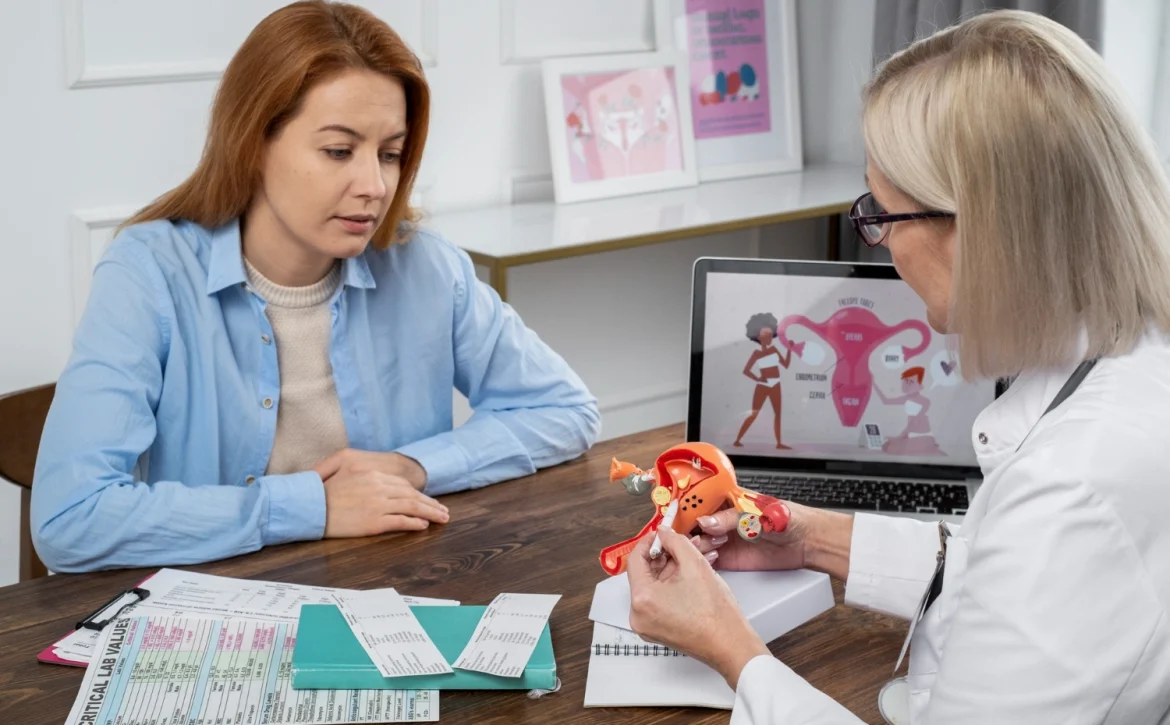
PCOD & PCOS: A Journey Back to Your Natural Rhythm
More Than Just a Missed Date
For many women, the diagnosis of PCOD or PCOS carries a deep emotional burden. What begins as a missed period slowly turns into a daily struggle. Sudden weight gain that does not reduce despite efforts, acne that affects confidence, excessive hair growth, mood swings, and constant fatigue become part of everyday life.
At Shree Vishwaneel Ayurveda, Panchakarma and Aesthetic Clinic, this story unfolds daily. We see patients coming not only from Sanpada, Belapur, Nerul, Vashi, and other parts of Navi Mumbai, but also from cities such as Mumbai, Delhi, Gurgaon, Bengaluru, and Hyderabad. Many women also travel from countries like Dubai, the USA, and other international locations in search of a holistic and sustainable solution.
A large number of these patients are young girls and working professionals, especially from IT, medical, and corporate backgrounds. Long working hours, high stress levels, late nights, irregular sleep patterns, and a highly modernised lifestyle have significantly increased the incidence of PCOD today. It has reached a point where two to three out of every five young women are affected.
Our approach is different. We do not treat only the ovaries. We treat the woman as a whole. PCOD is not something to suppress with lifelong medication. It is the body’s signal that its natural rhythm needs correction.
The Root Cause: Why is this happening?
From an Ayurvedic perspective, PCOD is not a single disease but a result of long term metabolic and hormonal imbalance. When digestion becomes weak, toxins accumulate and block the channels that nourish the reproductive system.
Explore,
- The Weight Struggle: This is often due to Kapha imbalance, which slows down metabolism, causing cysts and stubborn fat accumulation around the belly.
- The Irregular Cycle: When Vata is disturbed—often due to stress or late nights—your periods become unpredictable, sometimes disappearing for months or showing up as spotting and prolonged bleeding.
- The Skin & Mood: High Pitta (heat) leads to the cystic acne and irritability that many women experience.
Unhealthy dietary habits play a major role. Regular consumption of cheese, paneer, butter, bakery products, fermented foods such as idli and dosa, tomato sauce, Chinese food, preserved and packaged foods, cold foods, ice creams, frozen ready to cook items, and foods containing preservatives significantly increase the risk of developing PCOD, especially when consumed consistently from a young age.
Late nights, waking up late in the morning, excessive screen time, and lack of physical activity further disturb hormonal balance and menstrual health.
How We Restore Balance: The Treatment Protocol
Treatment at Shree Vishwaneel Ayurveda is not a quick fix. It is a structured and personalised process aimed at correcting the root cause.
-
Internal Healing with Herbs and Nutrition
The first step is always to correct digestion and metabolic function. Herbs such as Shatavari and Kanchanar Guggulu are prescribed to help dissolve cysts and support healthy follicular development.
Instead of synthetic supplements, we encourage natural sources of nutrition. Simple remedies such as soaked black raisins and figs help improve iron levels and support hormonal recovery naturally.
Stress management is equally important. While herbs like Ashwagandha are beneficial, they are prescribed carefully and only after assessing the individual’s body constitution, as improper use can increase heaviness in some patients.
-
Panchakarma: The Metabolic Reset
In many PCOD cases, diet and exercise alone stop working because toxins block the body’s natural functioning. Panchakarma plays a crucial role in such cases.
- Vamana cleanses the upper body and primarily reduces Kapha Dosha
• Virechana cleanses the lower body and reduces Pitta Dosha
• Basti, including Anuvasana and Niruha Basti, works deeply on Vata Dosha and cleanses the intestines and reproductive system
Basti is especially important in PCOD, as Vata governs hormonal regulation and ovulation.
For married women who are trying to conceive, Uttar Basti is performed when required. This involves administering specific medicines directly into the uterus. It is particularly effective in cases where egg growth is slow, egg size does not increase properly, ovulation does not occur, or endometrial thickness remains low.
Stress significantly affects hormonal balance, so Shirodhara is used to calm the nervous system. Nasya, where medicated oils are administered through the nose, helps regulate the pituitary gland and supports overall endocrine function.
In very severe PCOD cases, where periods do not occur for several months, occur only with hormonal tablets, or where bleeding does not stop once it starts, additional therapies such as Jalauka (leech therapy) may be advised in selected cases.
______________________________________________________________________________
Real Results: Clinical Case Experiences
One of our patients, an MBBS student, had been suffering from PCOD for over five years. She would not get her periods for six to eight months unless she took hormone tablets. Once bleeding started, she required medication to stop it. After detailed assessment, it was found that her Pitta and Vata were significantly aggravated. Following Vamana, Virechana, Basti, Nasya, and supportive Shirodhara sessions, her cycles gradually improved. Initially, periods occurred every three months, then every two months, and eventually became almost monthly, with normal bleeding duration.
Another patient, a dentist, had PCOS and was unable to conceive. Her periods were delayed, and egg size was not increasing properly. After Panchakarma treatment along with lifestyle correction and stress management through Shirodhara, her cycles regularised, egg growth improved, and she conceived naturally.
______________________________________________________________________________
Looking Ahead: Fertility and Future Health
PCOD often brings fear related to infertility. It is important to understand that pregnancy is very much possible. With proper treatment and preparation, the risks associated with PCOD can be significantly reduced.
We guide patients through Beej Shuddhi, a preconception cleansing process, to ensure the body is hormonally balanced before conception. This improves pregnancy outcomes and supports the long term health of both mother and child.
Is PCOD Reversible
Yes, PCOD is reversible. With proper detoxification, dietary discipline, and lifestyle changes, cysts reduce and cycles become regular. However, lasting results require commitment. Returning to unhealthy habits can cause symptoms to reappear. Ayurveda empowers women to understand their body and maintain balance long term.
Your Visit to Shree Vishwaneel
Whether you are a student, a working professional, or travelling from another city or country, treatment plans are customised to suit your routine.
- Medicines are usually prescribed for three to six months
• Panchakarma programs typically last between seven and twenty one days
• Treatment plans are personalised to ensure affordability and effectiveness
A Note on Safety
Intensive detox therapies are avoided in pregnancy, extreme weakness, or serious illness. Gentle and supportive therapies are chosen when required.
Conclusion
Healing from PCOD is not just about regulating periods. It is about restoring energy, confidence, fertility, and emotional wellbeing. At Shree Vishwaneel Ayurveda, Panchakarma and Aesthetic Clinic, Dr Sonalli Kavthekar blends classical Ayurvedic wisdom with clinical precision to guide women back to their natural rhythm safely and holistically.